Why Blame and Shame Don't Work

Leigh smiling while sitting on a train with short hair and wearing silver hoop earrings, a green sweater and big purple glasses
Blame, shame, and guilt aren't effective strategies for long-term change.
In fact, they often backfire—creating defensiveness, resistance, and even strengthening the exact behaviors we're trying to shift.
Today I'm exploring how to support change with people we're in a direct and/or ongoing relationship with: friends, family, colleagues, community members or clients. This is how I approach my work with employees at organizations I work with, and participants in workshops and coaching sessions.
The Problem with Shame
Blame, shame, and guilt are commonly used tactics—both intentionally and unintentionally. Think about call-outs, public blasts, angry letters to the editor. These approaches rely on punishment and negative feelings to motivate change.
Here's the thing: shame and guilt feel bad, and humans are hardwired to avoid things that feel bad.
When a topic becomes associated with shame or guilt, people build resistance to it. They get defensive, acting in self-preservation to ward off those negative feelings. Even worse, ongoing negative associations can create backlash bias—where someone actually builds a stronger positive association (or even an identity) around the exact behavior or perspective you're hoping to change.
Ultimately, blame and shame are punitive tactics--embrace change or you'll be made to feel bad about yourself. Fear of punishment can create immediate behavior correction or baseline compliance, but it doesn't build commitment and leads folks to do the minimum required rather than genuinely internalizing values or creating meaningful change. And what's worse, it erodes trust in relationships.
What Actually Works
People are more likely to stick with justice work when they feel good about themselves while doing it. And this is different than just "not feeling bad"—we want folks to invest in the change we seek, and even associate it excitement and enthusiasm.
When working with someone who seems resistant to the change you're trying to create, try these approaches:
Make sure you're the right person for this work. If you're experiencing harm or feeling triggered by this person or group's opinions, you may not be the best person to guide them on this journey.
Lean into radical and strategic empathy. Connect with their humanity. Consider: What motivates them? What do they actually need and want? What harms or traumas have they experienced that have shaped their current thoughts and behaviors?
Be curious. Ask questions. Instead of telling people what they should think or believe, get genuinely curious about how they arrived at their current perspective. Ask open-ended questions that invite reflection rather than defensiveness: "What experiences have shaped how you see this?" "What concerns come up for you when we talk about this?" "What would need to be true for you to feel differently?" Real curiosity creates space for people to examine their own thinking without feeling attacked.
Validate their experience and feelings. This doesn't mean validating their conclusions or actions—just acknowledging what they're feeling. "It makes sense that you feel angry. It makes sense that you feel hurt by that."
Take in a different path. Let them know you're invested in working with them in ways that don't create anger, shame, or harm. Then identify steps they can take from where they are that help them navigate their barriers to change.
Real, lasting change happens when people feel safe, seen, and supported—not punished. Divesting from blame, shame and guilt and centering strategic empathy can set you on the path to deeper relationships and lasting change.
Want to Go Deeper?
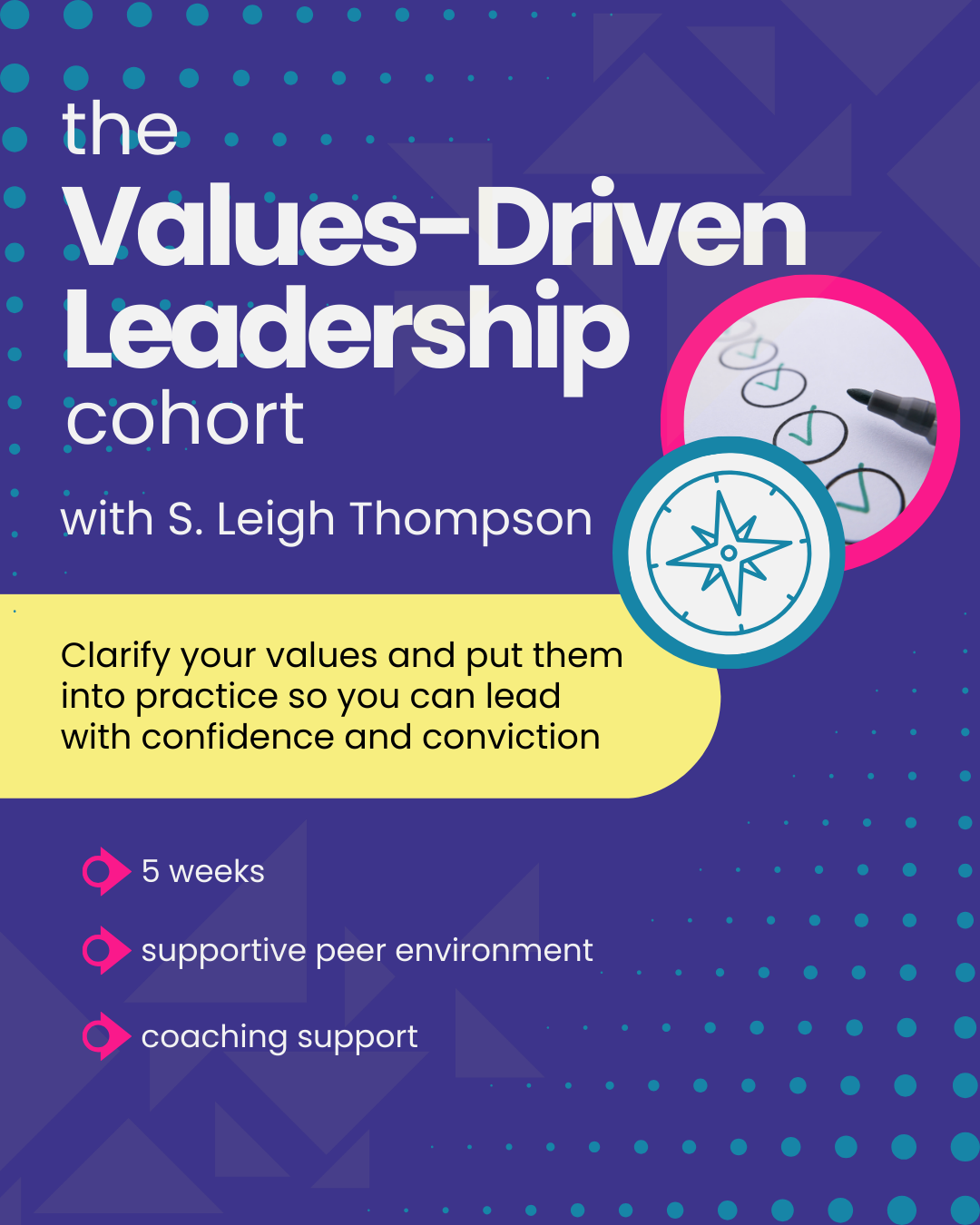
This kind of leadership—grounded in empathy, curiosity, and values—doesn't happen by accident. It takes intention, practice, and community.
That's exactly what we're building in the Values-Driven Leadership Cohort starting in February 2026. This 5-week small-group program is for leaders who are tired of feeling torn between doing what's right and what's expected.
Together, we'll clarify your core values, build practical tools to assess alignment in your daily leadership, and create sustainable habits that bring your values into everyday decisions—all within a supportive community of peers.
You'll also get two one-on-one coaching sessions with me!
Click to below or visit sleighthompson.com/values to learn more and sign up!